
Flagstaff Homes for Sale & Real Estate Guide
Flagstaff sits at 7,000 feet in the largest ponderosa pine forest in the country, two hours north of Phoenix and a world away from it. This guide covers the city’s neighborhoods, what different property types cost to own, second-home and winter considerations, and how the surrounding mountain communities compare, with live listings and a Discover FLAG agent when you are ready.
Written by the Discover FLAG Team · Reviewed by Darin Brin, Realtor® · Updated September 2026
Flagstaff at a Glance
Flagstaff is Northern Arizona’s hub: a city of roughly 75,000 people at 7,000 feet, home to Northern Arizona University, Lowell Observatory and a historic downtown on Route 66, surrounded by the Coconino National Forest and the San Francisco Peaks. Interstate 17 puts Phoenix about two hours south; Interstate 40 runs east to Winslow and west to Williams and the Grand Canyon.
Three kinds of buyers meet in this market: full-time residents, Valley families buying a cooler second home, and investors buying near the university. That mix keeps demand steady in every season, and it means the right price for a home depends heavily on which buyer it suits. Four true seasons, real snow and a short building season also shape what homes here are made of and what they cost to run.
Ready to look? Search every Flagstaff home for sale, or start with the neighborhoods below.
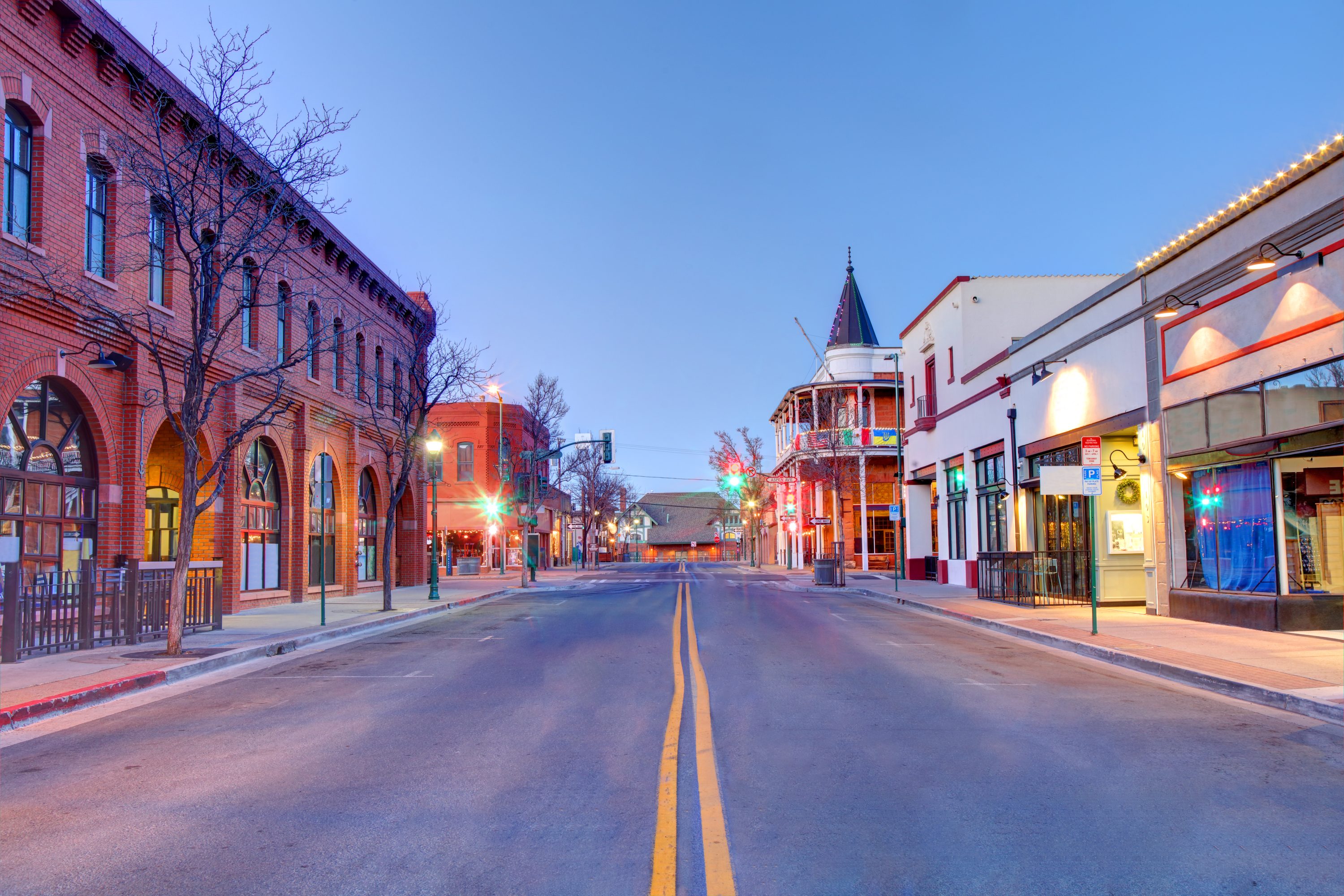
Flagstaff Neighborhoods
Flagstaff is compact, but its neighborhoods differ more than newcomers expect. The main areas, roughly from the center outward:
- Downtown and Southside. Historic homes, bungalows and a few new townhomes within walking distance of restaurants, the Amtrak station and NAU. Small lots, character and the strongest walkability in the city.
- University area: University Heights and University Highlands. South and west of campus. Popular with faculty and with investors who rent to students, so check rental history and parking before you buy.
- Continental and Country Club. East Flagstaff around the Continental Country Club golf course: mid-century to 1990s homes, townhomes and condos, HOA amenities and some of the most consistent resale demand in town.
- Cheshire and Coconino Estates. Established northwest neighborhoods with larger lots, mature pines and Peaks views, close to the Schultz Creek and Mount Elden trails.
- Ponderosa Trails, Pine Canyon and Forest Highlands. South Flagstaff along Lake Mary Road and I-17. Ponderosa Trails is a newer family neighborhood; Pine Canyon and Forest Highlands are gated private-golf communities with custom homes and club membership.
- Railroad Springs, Presidio in the Pines and Boulder Pointe. The newer west side off Route 66 and Woody Mountain Road, with production homes and townhomes built since the 2000s and easy access to the Flagstaff Ranch area.
- Sunnyside and East Flagstaff. Older homes on smaller lots with the most attainable prices inside city limits, plus newer infill and townhome projects near the Flagstaff Mall.
- Fort Valley and the north side. Highway 180 toward the Snowbowl: larger lots, forest edges and some of the heaviest snowfall in the city.
Outside city limits the county communities take over, and that is where cabins and acreage live. See the comparison further down and the individual guides to Kachina Village, Mountainaire, Munds Park and Doney Park.
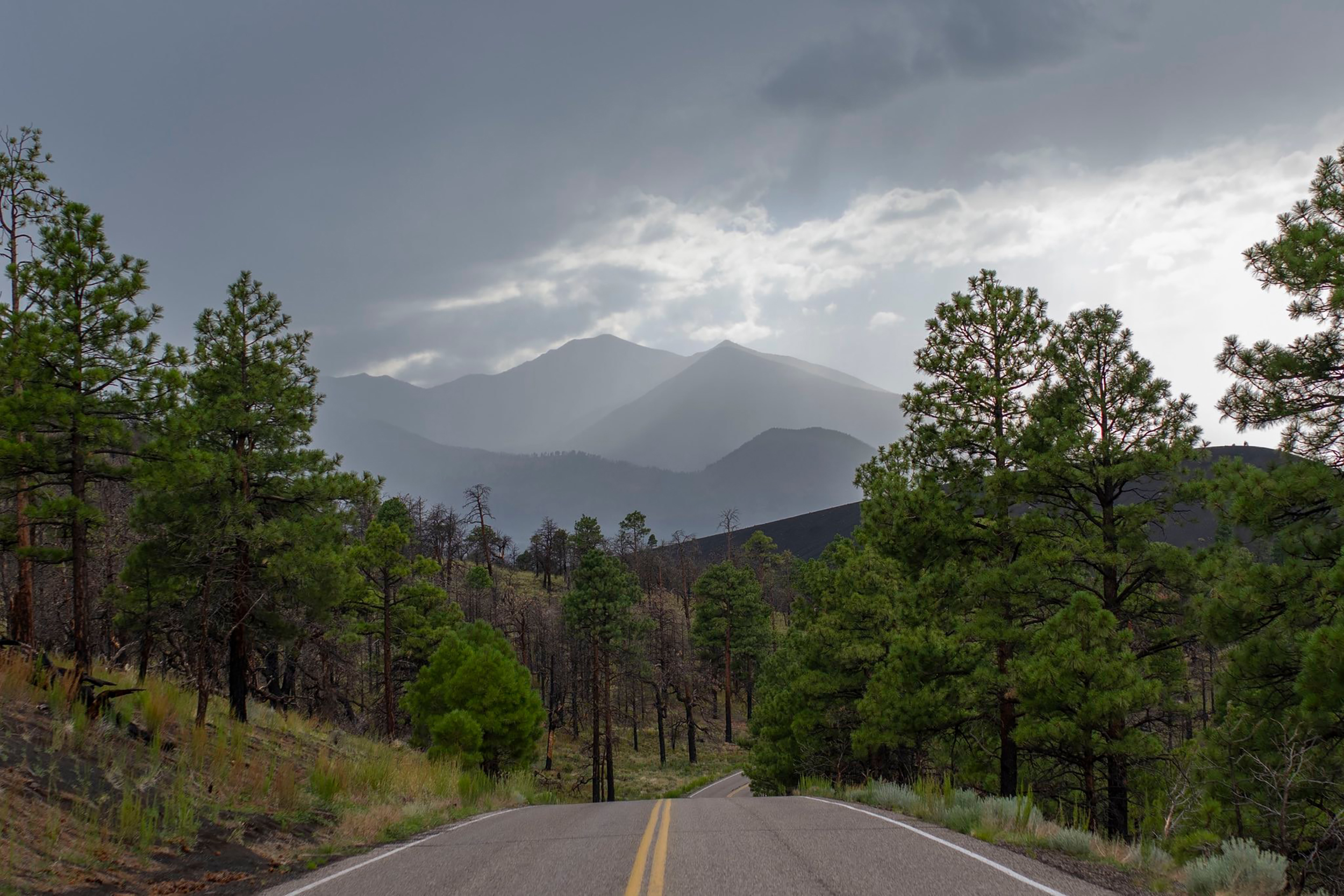
Property Types and What They Cost to Own
What you buy in Flagstaff determines your monthly costs as much as the price does:
- In-town single-family homes. City water, sewer, natural gas in most areas and plowed streets. The simplest homes to own and to insure.
- Townhomes and condos. Common near the university, Continental and the west side. HOA dues typically cover exterior maintenance, snow removal and sometimes water, so compare dues before comparing prices.
- Cabins and forest homes. In Munds Park, Kachina Village, Mountainaire, Parks and Bellemont. Often on propane or wood heat, sometimes on a well and septic, and sometimes on a private road. Budget for heating, snow removal and a septic inspection.
- Acreage and horse property. Doney Park, Parks and the Williams area. Wells, septic, private roads, wind and drifting snow are all part of ownership; so is the space you cannot get in town.
- Land. Lots in the outlying communities and larger parcels on the county side. Ask about water (well feasibility or hauled water), utilities at the lot line, access easements and Coconino County building rules before you buy.
Across all of these, three costs surprise newcomers: heating a home through a mountain winter, insurance in wildfire-rated forest areas, and the maintenance a snow climate puts on roofs, decks and driveways. Ask for the seller’s utility history and insurance quotes early, and read our post on what it costs to own a Flagstaff cabin.
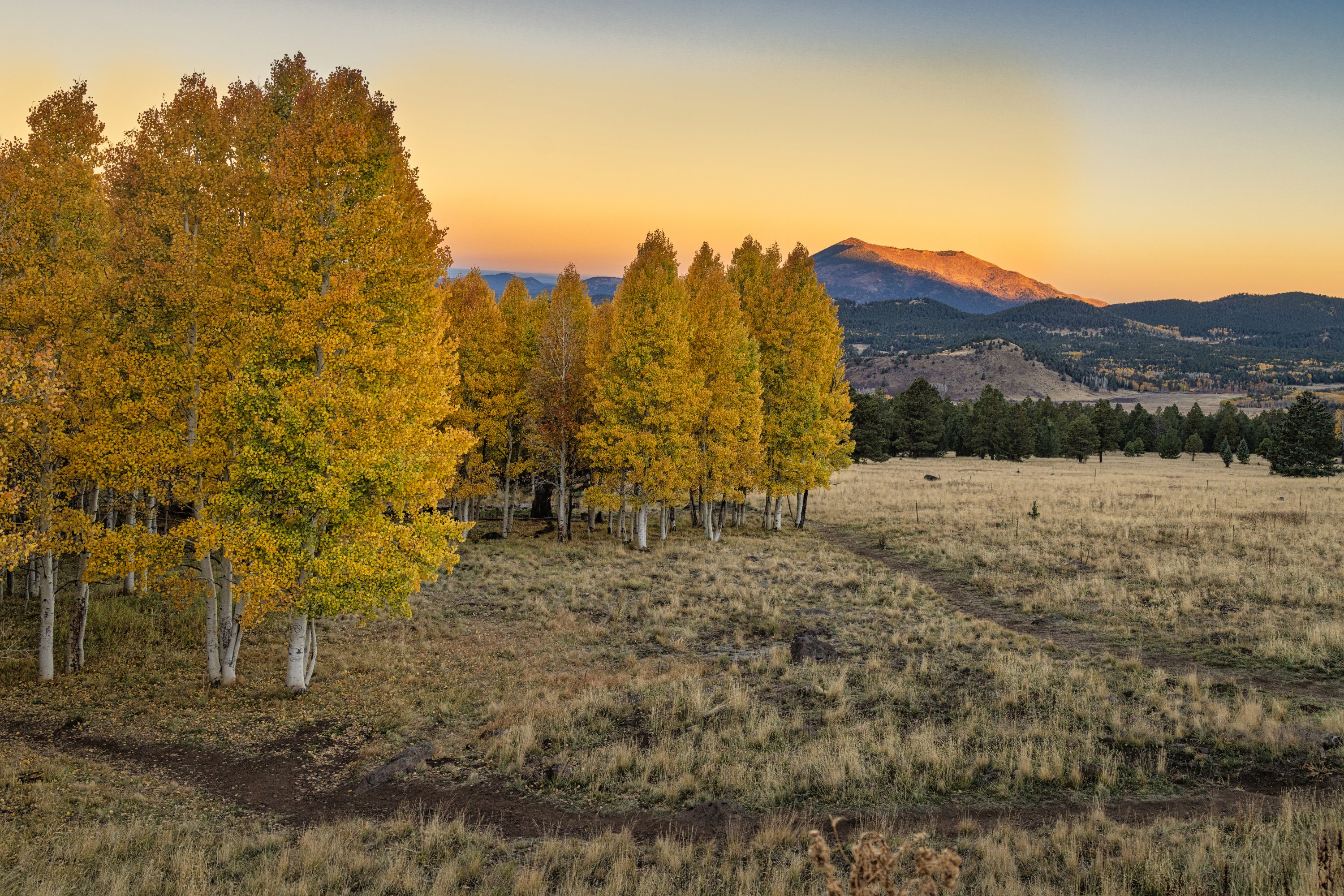
Second Homes and Summer Retreats
Many Discover FLAG clients live in the Valley and want somewhere 30 degrees cooler for July. A few things matter more for a second home than a primary one:
- Distance and drive time. Munds Park is the closest cabin community to Phoenix on I-17; Flagstaff proper, Kachina Village and Mountainaire add 15 to 25 minutes; Parks, Bellemont and Williams sit west on I-40.
- Winter use. Decide whether you will visit in snow. If yes, you want plowed access, a heated water line and a heating system you can run remotely. If no, you need a winterizing routine and someone local to check the property.
- Short-term rentals. The City of Flagstaff requires a short-term rental license and tax registration, and many HOAs in the outlying communities restrict or prohibit rentals. Confirm the rules for the specific property before you count on rental income.
- Financing and insurance. Second-home loans carry different down-payment and rate terms from primary residences, and insurers rate forest properties differently. Get both quotes before you write an offer.
Our agents work out of the Phoenix office and buy and sell in Flagstaff year-round, so they can handle showings, inspections and closing without you making the drive every time.
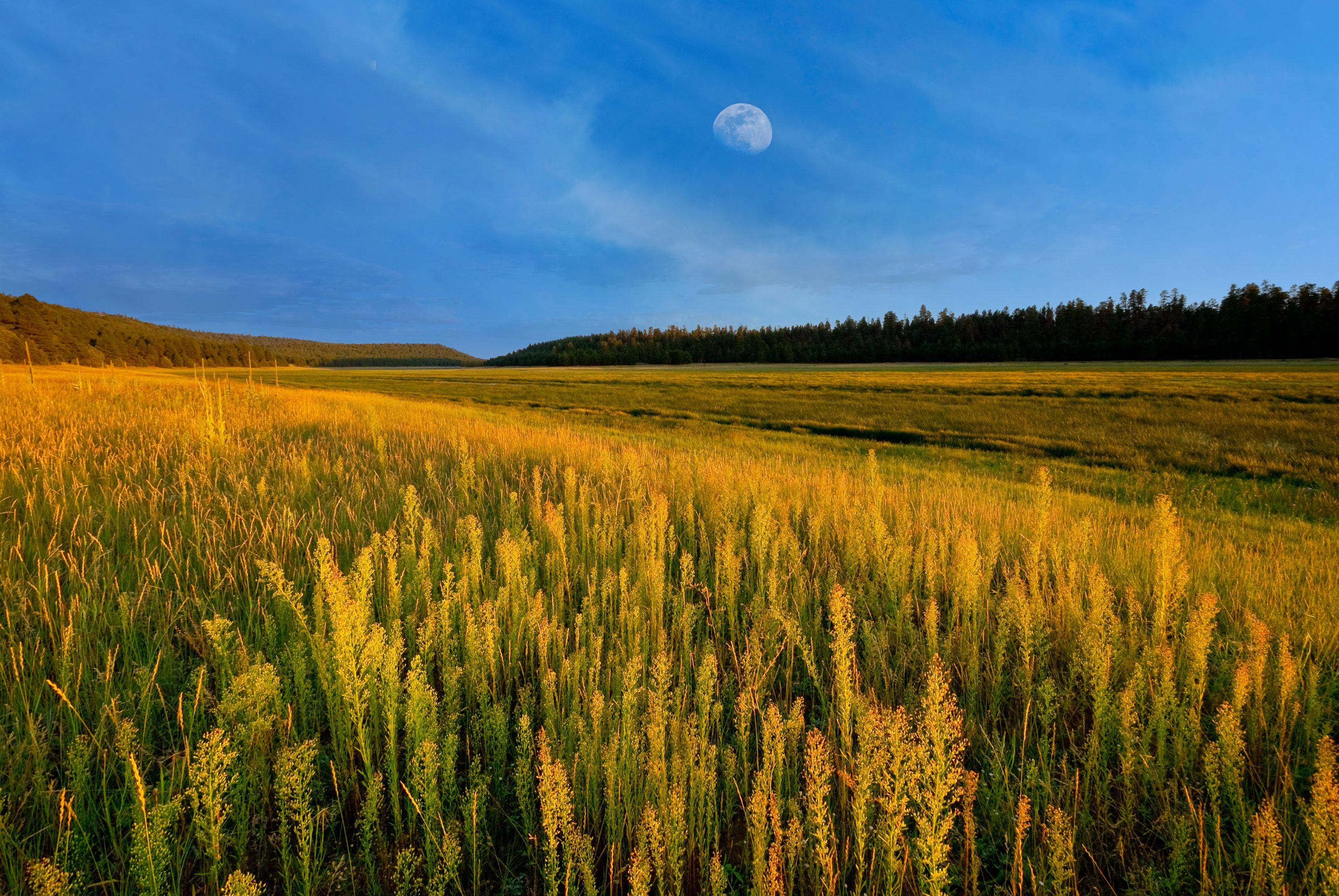
Winter Access and Living at 7,000 Feet
Flagstaff averages around 100 inches of snow a year, and the difference between neighborhoods in winter is mostly about who plows and how fast. City streets are plowed by the city; county-maintained roads are plowed by Coconino County; private and HOA roads depend on the association or the neighbors, and some forest lots are simply not plowed. Ask the seller who plows the road and the driveway, and how long after a storm.
Elevation and exposure matter too. Fort Valley and the north side get more snow than Doney Park on the grassland; a north-facing driveway holds ice for weeks; Munds Park and Mormon Lake sit lower but are more isolated when Lake Mary Road or I-17 close. Homes built for the climate have steep roofs, heat tape, insulated water lines and a garage. For a neighborhood-by-neighborhood view read winter access in Flagstaff neighborhoods.
How the Communities Around Flagstaff Compare
Short answer: choose Kachina Village or Mountainaire for a full-time home ten minutes from town, Munds Park for a classic cabin closest to Phoenix, Doney Park or Parks for acreage, and Williams for a town of its own. The details:
| Community | From Flagstaff | Character | Typical buyer |
|---|---|---|---|
| Kachina Village | 10 min south on I-17 | Full-time forest community, community water and sewer district, county-plowed roads | Year-round homes, some cabins |
| Mountainaire | 10 min south on I-17 | Quieter neighbor to Kachina Village, larger lots, mix of utilities | Year-round and second homes |
| Munds Park | 20 min south on I-17 | Classic cabin community with golf, restaurants and an active HOA scene; many seasonal owners | Second homes and cabins |
| Doney Park | 15 min northeast on Hwy 89 | Open grassland with Peaks views, acreage and horse property, wells common, wind and drifts in winter | Acreage and full-time homes |
| Bellemont | 12 min west on I-40 | Small community by Camp Navajo with newer subdivisions and easy interstate access | Year-round homes |
| Parks | 20 min west on I-40 | Rural forest and meadow lots, wells and septic, private roads | Cabins and acreage |
| Williams | 35 min west on I-40 | Historic Route 66 town and Grand Canyon Railway gateway with its own downtown and services | Full-time homes, cabins, investment |
| Winona | 15 min east on I-40 | Rural lots and small ranches on the east side toward Walnut Canyon | Acreage and full-time homes |
| Mormon Lake | 40 min south on Lake Mary Road | Cabins around Arizona’s largest natural lake, seasonal and remote in winter | Cabins and getaways |
Each name links to a full guide with housing stock, utilities, winter conditions and a contact form.
Newest Flagstaff Homes for Sale
Live MLS listings for Flagstaff. Click any home for photos and details, or open the full search to filter by price, beds, acreage and the outlying communities.
Selling a Home in Flagstaff
Flagstaff sellers reach two buyer pools at once: local families and Valley second-home shoppers, who search from Phoenix and often tour on weekends. Our marketing is built for both. Start with a free home valuation, read how we sell Flagstaff homes, or get a guaranteed cash offer if you would rather skip showings. Owners out of state can sell without making the trip.
Flagstaff Real Estate: Frequently Asked Questions
Have a question this guide did not answer? Call 480-771-1872 or send us a message and a Discover FLAG agent will get back to you.